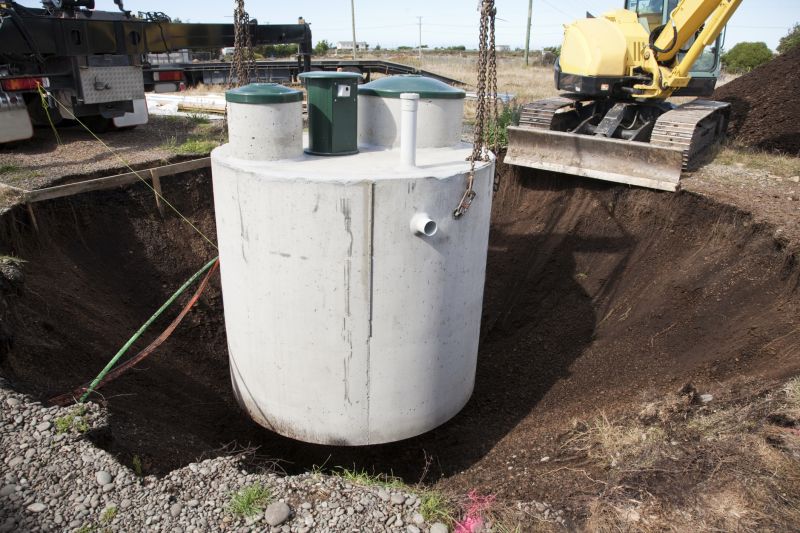
Septic System Relocation in Denver, CO
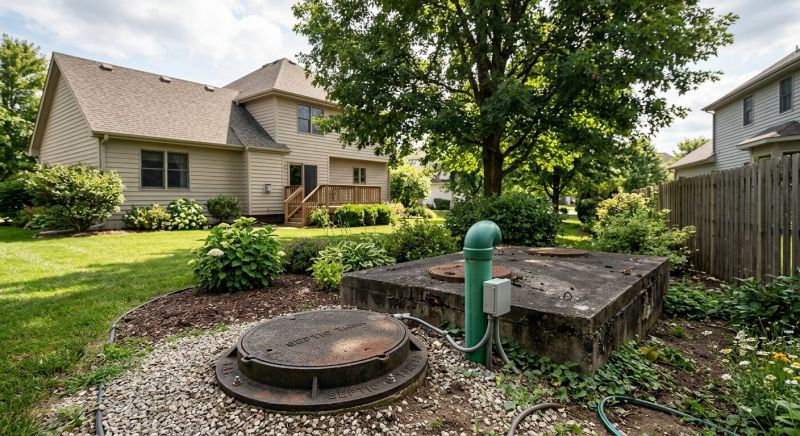
Septic system relocation services involve the process of moving an existing septic system to a new location on a property. This service is often needed during major property renovations, expansions, or landscaping projects that interfere with the current septic placement. Property owners typically seek this service to ensure their septic system remains functional and compliant with local regulations while accommodating changes to the property’s layout or usage.
Before requesting septic system relocation, homeowners should understand the size and type of their current system, as well as any site-specific restrictions or requirements in their area. It’s also helpful to consider the new location’s suitability, including soil conditions, accessibility, and proximity to wells or water sources. Gathering this information can assist in planning a smooth transition and ensuring the new system location meets all necessary standards.
Many property owners in Denver, CO look into Septic System Relocation for repairs, replacements, upgrades, and appearance-related improvements.
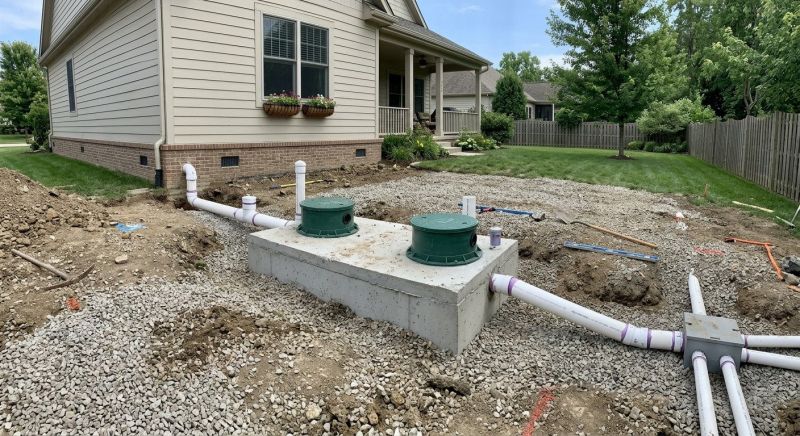
Septic System Relocation Planning
Proper planning ensures the new location meets all code and property requirements.
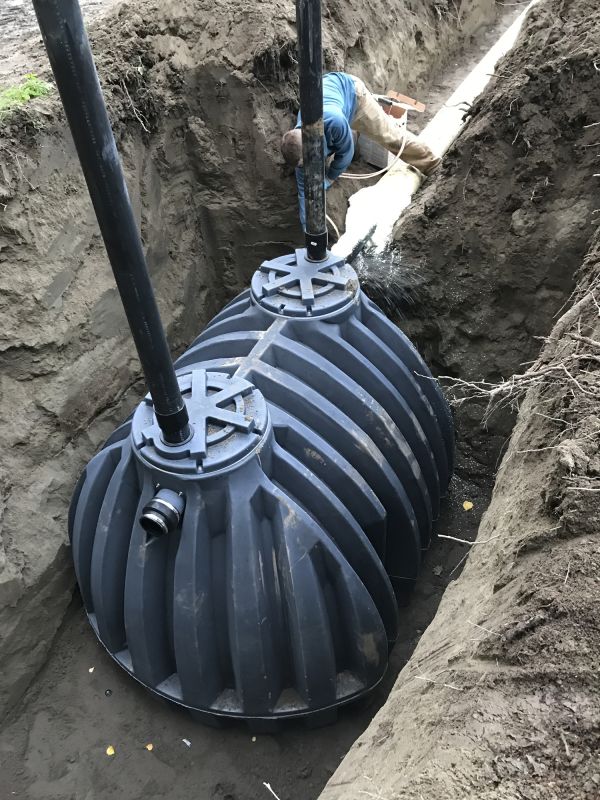
Septic System Relocation Process
Relocating a septic system involves careful excavation, installation, and system testing.
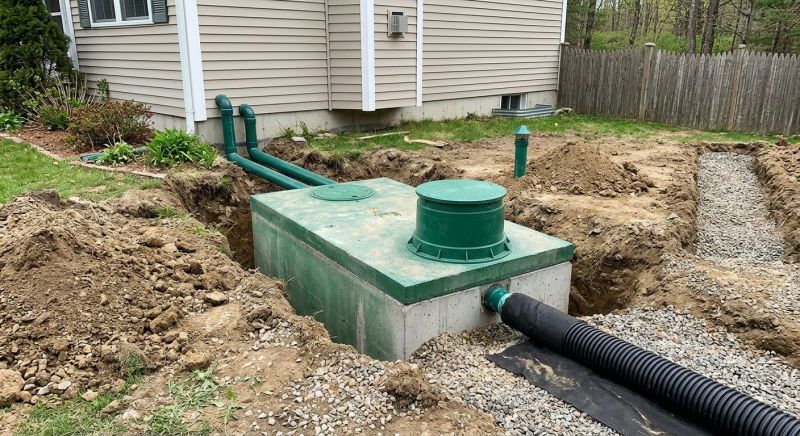
Septic System Maintenance & Safety
Relocated systems require proper maintenance to ensure long-term functionality and safety.
Septic System Relocation in Denver, CO

Septic system relocation services involve the process of moving an existing septic system to a new location on a property. This service is often needed during major property renovations, expansions, or landscaping projects that interfere with the current septic placement. Property owners typically seek this service to ensure their septic system remains functional and compliant with local regulations while accommodating changes to the property’s layout or usage.
Before requesting septic system relocation, homeowners should understand the size and type of their current system, as well as any site-specific restrictions or requirements in their area. It’s also helpful to consider the new location’s suitability, including soil conditions, accessibility, and proximity to wells or water sources. Gathering this information can assist in planning a smooth transition and ensuring the new system location meets all necessary standards.
Many property owners in Denver, CO look into Septic System Relocation for repairs, replacements, upgrades, and appearance-related improvements.
Common Septic System Relocation Jobs
Septic System Relocation - involves moving an existing septic system to a new location on the property.
Site assessment - evaluates the land to determine the best new placement for the septic system.
Permit coordination - ensures all necessary approvals are obtained for the system relocation.
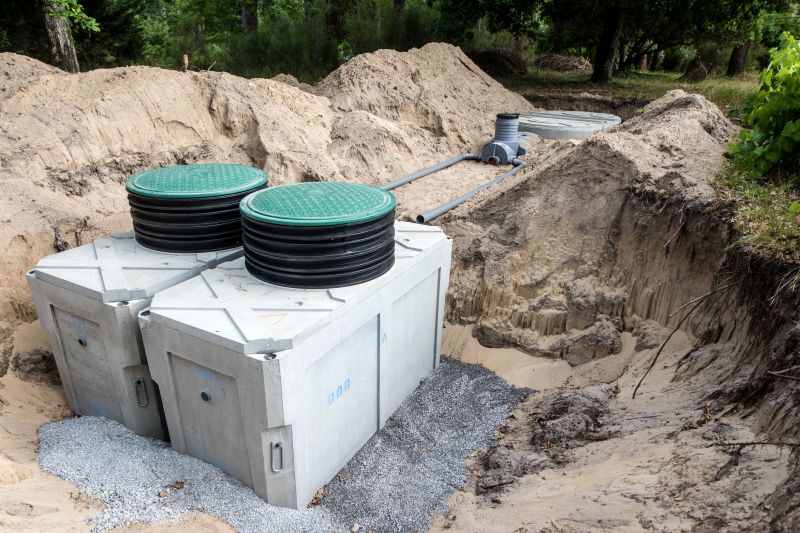
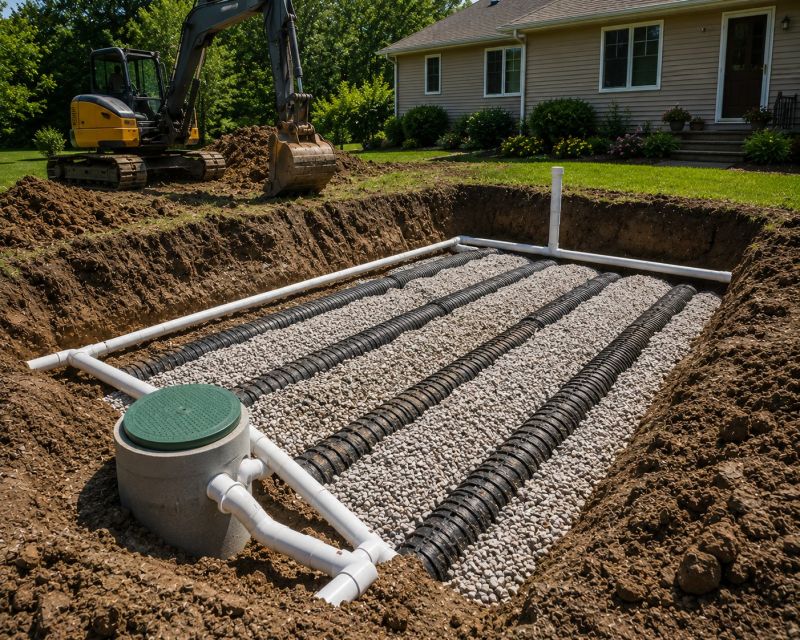
Excavation and installation - includes digging, removing the old system, and installing the new components.
Drainfield redesign - adapts the drainfield to fit the new site and meet local regulations.
System connection - involves connecting the relocated system to the home’s plumbing and ensuring proper functioning.
Septic System Relocation Questions
What is septic system relocation? It involves moving an existing septic system to a new location on the property to accommodate construction or land changes.
Why might a septic system need to be relocated? Reasons include new building projects, property development, or addressing site constraints that prevent original placement.
What should property owners consider before relocating a septic system? It's important to assess available space, access to proper drain field locations, and compliance with local regulations.
How does the process of septic system relocation typically work? It involves excavation, removal of the existing system, installation at the new site, and connection to the existing plumbing network.
Request Septic System Relocation in Denver, CO
Use the quote form on this page to share the basics of your project and request more information for the type of work you need.