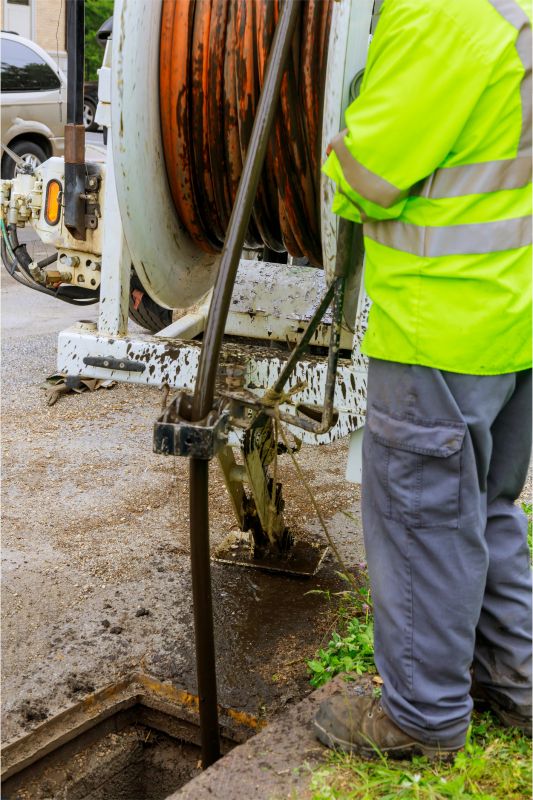
Sewer Line Unblocking in San Antonio, TX
Sewer line unblocking services focus on removing obstructions and restoring proper flow within a property's main sewer line. These projects typically involve clearing clogs caused by tree roots, accumulated debris, or buildup of grease and waste that can lead to backups and slow drains. Property owners often seek this service when experiencing persistent sewage backups, foul odors, or slow-draining sinks and toilets, especially in older homes or properties with aging sewer infrastructure.
Before requesting sewer line unblocking, property owners should understand the location of their main sewer access point and be prepared to share details about recent plumbing issues or unusual odors. It’s also helpful to know if there have been any recent repairs or renovations that might have affected the sewer system. Accurate information about the problem can assist in diagnosing the cause and determining the most effective method for clearing the blockage.
Many property owners in San Antonio, TX look into Sewer Line Unblocking for repairs, replacements, upgrades, and appearance-related improvements.
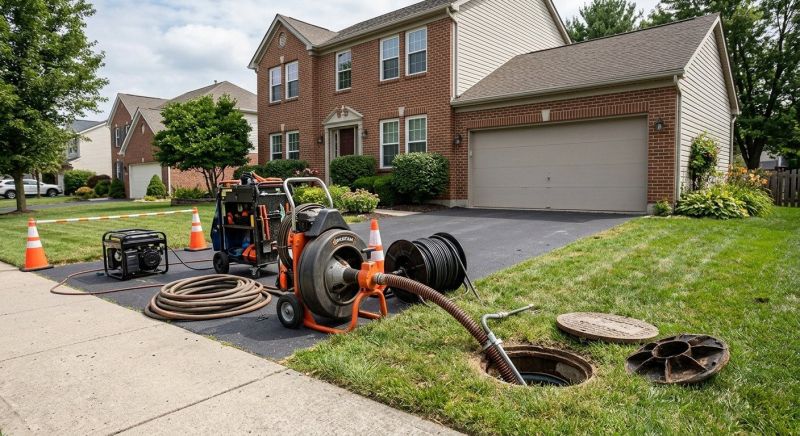
Common Causes Of Blockages
Blockages often result from grease buildup, debris, or tree roots infiltrating sewer lines in san antonio homes.
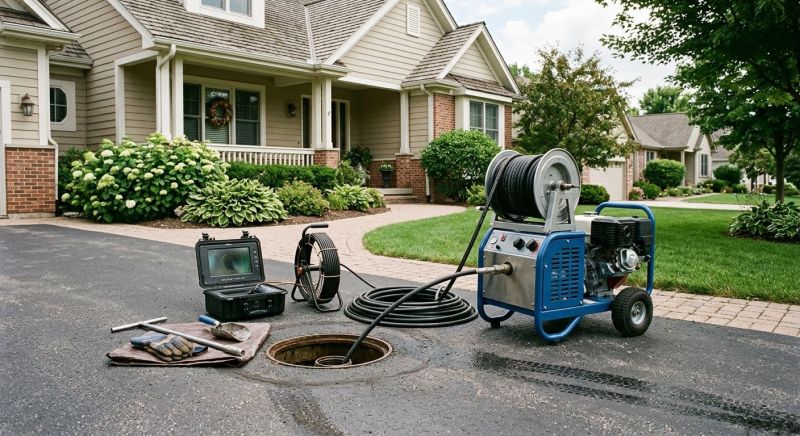
Signs Of A Sewer Line Issue
Slow draining fixtures, foul odors, and gurgling sounds can indicate a sewer line blockage needing attention.
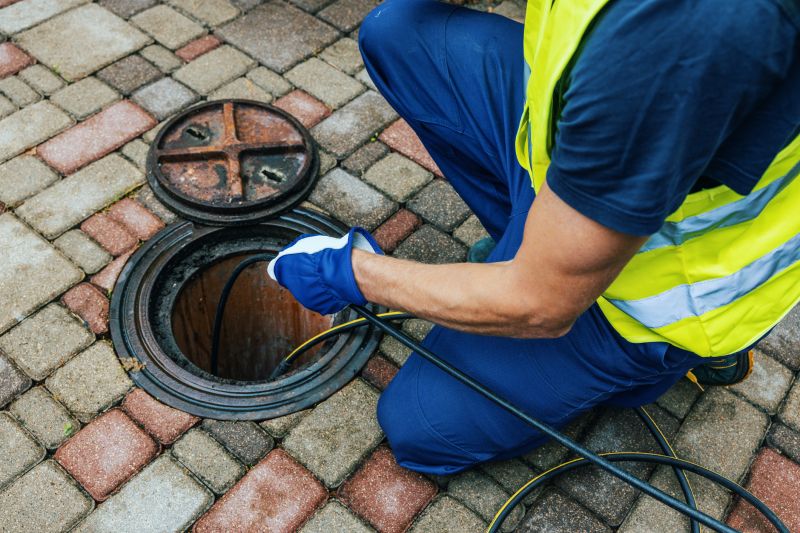
Preventative Maintenance Tips
Regular inspections and mindful disposal habits can help keep sewer lines clear and functioning properly in property owners' homes.
Sewer Line Unblocking in San Antonio, TX

Sewer line unblocking services focus on removing obstructions and restoring proper flow within a property's main sewer line. These projects typically involve clearing clogs caused by tree roots, accumulated debris, or buildup of grease and waste that can lead to backups and slow drains. Property owners often seek this service when experiencing persistent sewage backups, foul odors, or slow-draining sinks and toilets, especially in older homes or properties with aging sewer infrastructure.
Before requesting sewer line unblocking, property owners should understand the location of their main sewer access point and be prepared to share details about recent plumbing issues or unusual odors. It’s also helpful to know if there have been any recent repairs or renovations that might have affected the sewer system. Accurate information about the problem can assist in diagnosing the cause and determining the most effective method for clearing the blockage.
Many property owners in San Antonio, TX look into Sewer Line Unblocking for repairs, replacements, upgrades, and appearance-related improvements.
Common Sewer Line Unblocking Jobs
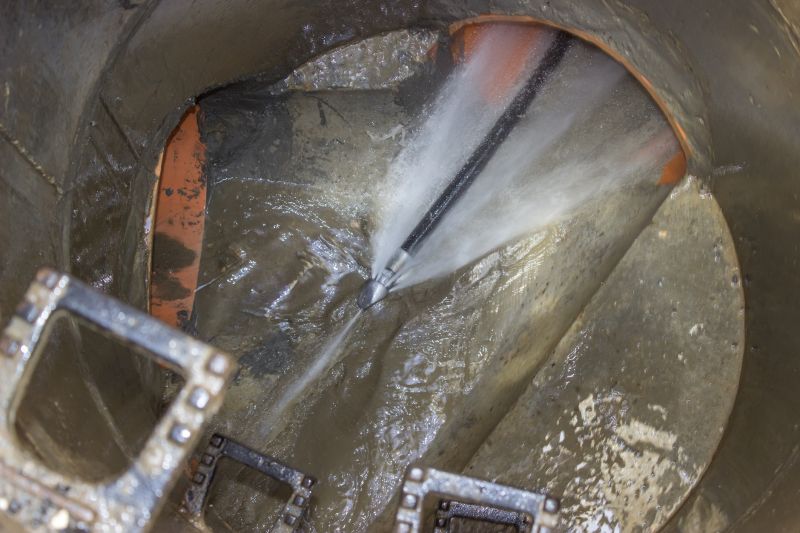
Sewer Line Unblocking - clearing blockages to restore proper drainage in residential and commercial properties.
Drain Clearing - removing debris, grease, and obstructions causing slow or backed-up drains.
Emergency Unblocking - addressing sudden sewer backups to prevent property damage and health hazards.
Pipe Inspection - using video technology to identify the cause and location of sewer line blockages.
Preventative Maintenance - performing routine checks to avoid future sewer line issues.
Root Removal - eliminating tree roots that infiltrate and obstruct sewer pipes.
Sewer Line Unblocking Questions
What causes sewer lines to become blocked? Common causes include accumulated debris, grease buildup, tree roots, and foreign objects entering the pipes.
How can I tell if my sewer line is blocked? Signs include slow drains, gurgling sounds, foul odors, or sewage backups in fixtures.
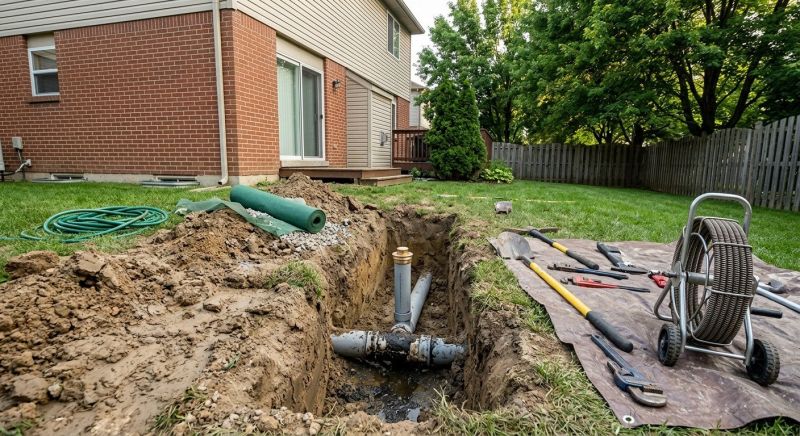
Is unblocking a sewer line a disruptive process? The process typically involves minimal disturbance, but some access points may require excavation or cleaning.
What types of property issues are addressed with sewer line unblocking? It helps resolve problems like persistent backups, slow drainage, and foul odors affecting household plumbing.
Request Sewer Line Unblocking in San Antonio, TX
Use the quote form on this page to share the basics of your project and request more information for the type of work you need.