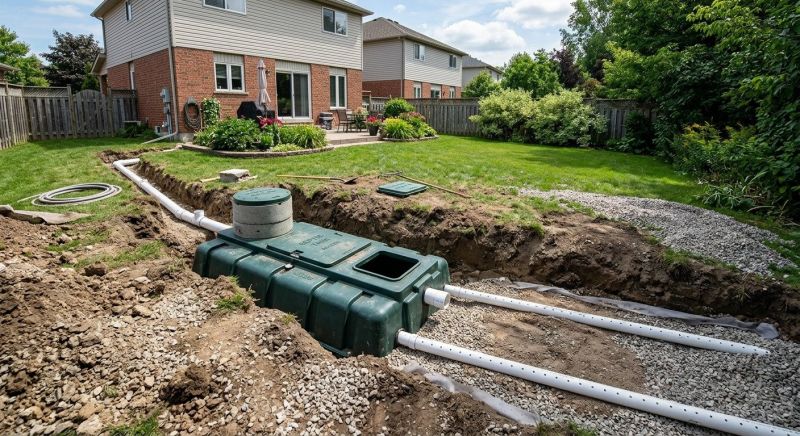
Sewage Tank Installation in Denver, CO
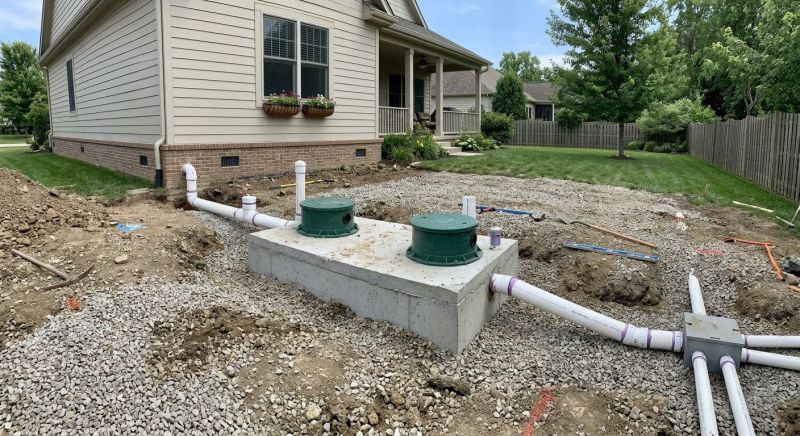
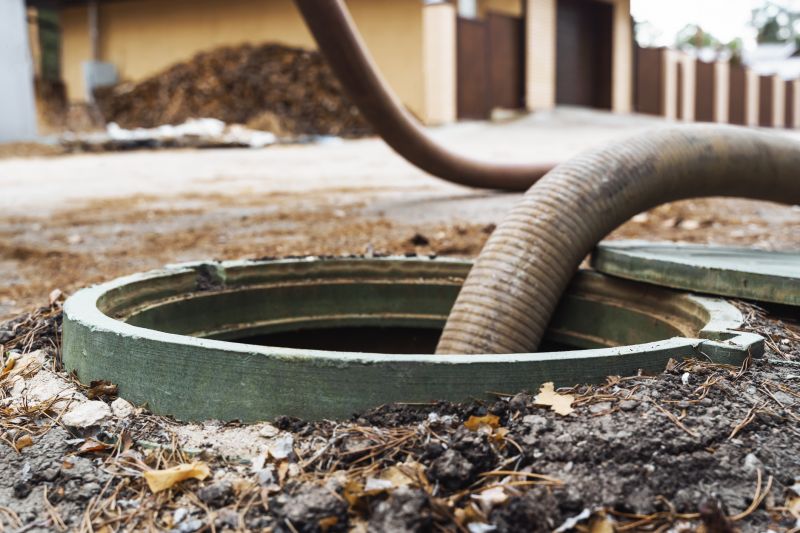
Sewage tank installation services involve setting up underground tanks that collect and store wastewater from residential properties. These systems are essential for homes that are not connected to municipal sewer lines, providing a reliable way to manage waste efficiently. Projects typically include installing new tanks during home construction, replacing old or failing systems, or expanding capacity for growing households. Property owners should consider factors such as tank size, material type, and local regulations before requesting installation services to ensure the system meets the specific needs of their property.
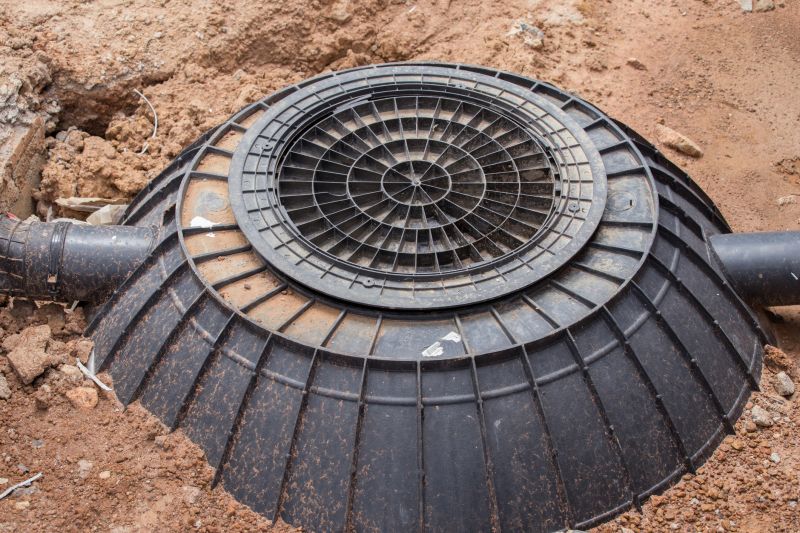
Before requesting sewage tank installation, property owners often want to understand the different types of tanks available, including concrete, fiberglass, or plastic options, and how each suits their property’s soil conditions and usage requirements. It’s also important to consider the location of the tank on the property, access for future maintenance, and compliance with local codes. Having a clear understanding of these aspects can help ensure the installation process proceeds smoothly and that the system functions effectively for years to come.
Many property owners in Denver, CO look into Sewage Tank Installation for repairs, replacements, upgrades, and appearance-related improvements.
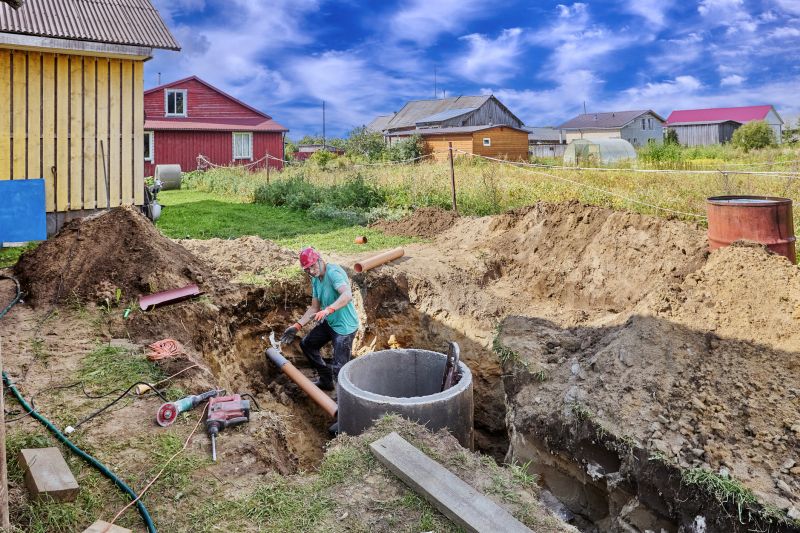
Sewage Tank Types And Selection
Different sewage tanks are suited for various property sizes and usage needs in denver, co.
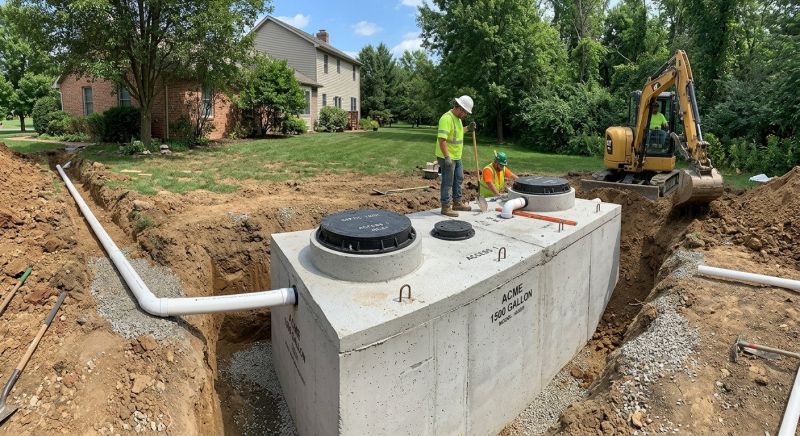
Installation Process And Considerations
Proper installation involves site assessment, proper sizing, and compliance with local codes for denver properties.
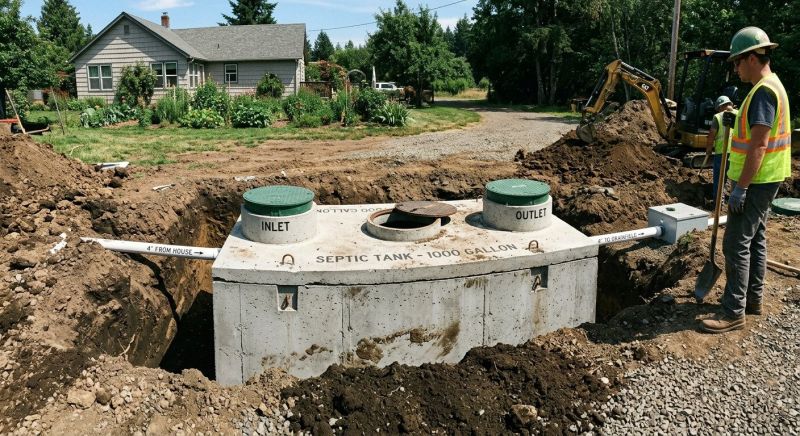
Maintenance And Longevity
Regular inspections and maintenance help ensure the sewage tank functions effectively over time in denver homes and businesses.
Sewage Tank Installation in Denver, CO

Sewage tank installation services involve setting up underground tanks that collect and store wastewater from residential properties. These systems are essential for homes that are not connected to municipal sewer lines, providing a reliable way to manage waste efficiently. Projects typically include installing new tanks during home construction, replacing old or failing systems, or expanding capacity for growing households. Property owners should consider factors such as tank size, material type, and local regulations before requesting installation services to ensure the system meets the specific needs of their property.
Before requesting sewage tank installation, property owners often want to understand the different types of tanks available, including concrete, fiberglass, or plastic options, and how each suits their property’s soil conditions and usage requirements. It’s also important to consider the location of the tank on the property, access for future maintenance, and compliance with local codes. Having a clear understanding of these aspects can help ensure the installation process proceeds smoothly and that the system functions effectively for years to come.
Many property owners in Denver, CO look into Sewage Tank Installation for repairs, replacements, upgrades, and appearance-related improvements.
Common Sewage Tank Installation Jobs
Sewage Tank Installation - Installing new sewage tanks for residential or commercial properties.
Septic Tank Setup - Preparing sites and installing septic systems for proper waste management.
Tank Replacement - Removing outdated or damaged tanks and installing updated units.
Tank Site Preparation - Clearing and preparing the ground for efficient sewage tank installation.
Leach Field Installation - Setting up drain fields to ensure proper wastewater dispersal.
Emergency Tank Installation - Providing quick setup for urgent sewage system needs.
Sewage Tank Installation Questions
What types of properties require sewage tank installation? Sewage tanks are commonly installed on properties without access to municipal sewer systems, including rural homes and new developments.
How deep should a sewage tank be buried? The depth depends on local regulations and property conditions, but typically, tanks are buried at least 3 to 4 feet underground.
What factors influence the size of a sewage tank needed? The size is based on household size, water usage, and local code requirements to ensure proper waste management.
Is a permit needed for sewage tank installation? Yes, permits are usually required to comply with local codes and ensure proper installation standards.
Request Sewage Tank Installation in Denver, CO
Use the quote form on this page to share the basics of your project and request more information for the type of work you need.